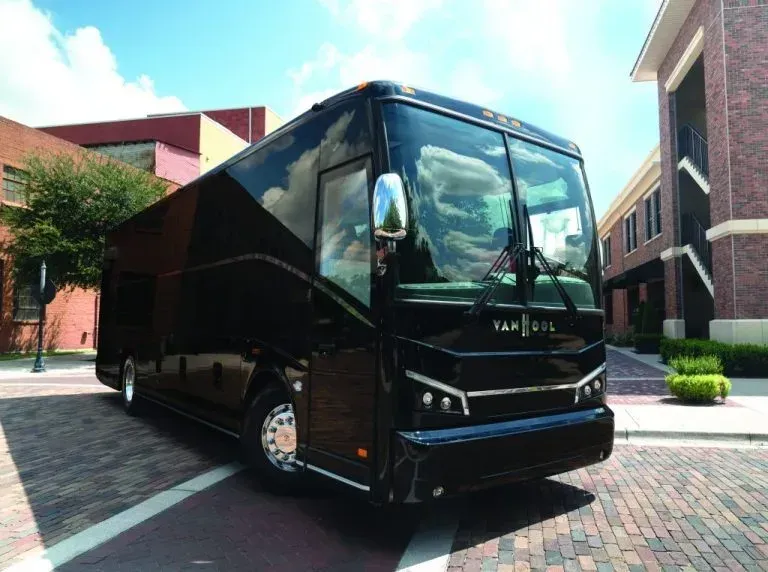
Planning transportation for a large group can easily become a demanding process when various schedules, pickup arrangements, and travel expectations need to be coordinated. Whether the gathering consists of corporate events, family festivities, organized outings, or special occasions, ensuring timely group arrivals demands strategic planning. An effective transportation plan helps prevent misunderstandings, limits delays, and contributes to a smoother experience for everyone involved. By focusing on the critical factors involved in group transportation planning, organizers can create an efficient travel experience throughout the entire trip.
When groups travel as one, transportation becomes much more than a means of getting passengers from one point to another. It becomes a significant component of the entire event experience. Effective coordination helps keep schedules on track, enhances communication among travelers, and supports a more comfortable trip. At A1 Quality Express Limousine, we know that well-planned transportation solutions help groups enjoy a confident and hassle-free travel experience.
Start Planning Transportation Well in Advance
Reliable group transportation starts with thoughtful preparation ahead of time. Delaying arrangements until the final stages can reduce available choices and make it harder to meet the group's unique requirements. Transportation planning should begin with confirming passenger totals, travel timelines, expected departure schedules, and destination requirements. Obtaining these details early helps establish a dependable framework for organizing transportation that supports the overall itinerary.
Forward-thinking preparation allows planners to detect issues before they become significant problems. Event schedules, transportation logistics, accessibility considerations, and roadway conditions all play a role in shaping transportation plans. By managing these considerations early, planners can create a transportation approach that promotes efficient group travel. Thorough preparation often results in smoother travel experiences and fewer unexpected disruptions.
Identify the Group's Size and Requirements
A critical transportation planning task is evaluating the number of participants and their specific requirements. Correct passenger totals help planners choose suitable vehicles while avoiding capacity-related issues. Attendance estimates should be confirmed early and adjusted as necessary as arrangements progress.
In addition to attendance totals, organizers should evaluate the specific needs of individual travelers. Different passengers may require additional baggage capacity, accessibility accommodations, or other forms of assistance. Understanding these details allows transportation arrangements to be customized accordingly. Thorough information gathering supports transportation arrangements that enhance convenience and comfort for every traveler.
Design a Well-Organized Transportation Schedule
A precise transportation schedule provides direction for the entire group. Coordinators should define departure timings, pickup areas, estimated travel durations, arrival expectations, and stopovers along the route. A click here detailed itinerary reduces confusion and ensures everyone knows where and when they need to be. Consistency and clarity are especially valuable when managing larger groups with multiple participants.
Effective communication greatly contributes to schedule reliability. Every passenger should receive transportation details well before the event begins. Sending itineraries through communication channels ensures all passengers remain updated. When participants have clear expectations, transportation operations tend to run more smoothly and efficiently.
Designate Centralized Gathering Locations
Managing multiple pickup locations can create unnecessary complexity for large-group transportation. Whenever feasible, planners should designate central pickup and drop-off locations that are convenient for everyone. Bringing participants together at one location streamlines boarding and reduces logistical delays. It contributes to clearer communication and better operational performance.
Using centralized locations makes it easier to verify all passengers before leaving. Group leaders can verify attendance, distribute updates, and answer questions before the journey begins. This approach promotes readiness and keeps operations running according to plan. Defined meeting locations greatly improve coordination throughout the journey.
Focus on Consistent Communication During Planning
Good communication is one of the key components of coordinated group travel. Participants must be kept informed of schedules, instructions, and any adjustments. Clear and correct information prevents misunderstandings and supports preparation. Good communication improves operational flow and traveler satisfaction.
Planners should create stable communication channels for ongoing updates. Designated contacts and digital communication tools help spread updates quickly. Communication remains the core element that maintains alignment within transportation planning. Regular updates help maintain trust and reduce interruptions during travel.
Prepare for Unexpected Situations
Even well-planned transportation schedules may face unforeseen situations. Weather conditions, traffic congestion, schedule adjustments, and participant delays may require quick decision-making. Flexibility within planning improves the ability to handle sudden changes. Being prepared strengthens adaptability and keeps operations running smoothly.
Contingency strategies should include backup plans, route alternatives, and key decision contacts. Prepared systems help reduce stress and maintain order during disruptions. Forward planning ensures transportation continues smoothly even when changes are required.
Prioritize Traveler Comfort and Ease
Comfort is a major factor in the overall travel experience. Groups traveling together for long periods require strong focus on comfort. A well-managed environment and seating comfort enhance the travel experience. Comfortable travelers are more likely to enjoy the journey and arrive prepared.
Convenience is an important factor in smooth transportation management. Streamlined boarding, clear guidance, and structured timing minimize issues for travelers. When transport is well organized, passengers can enjoy the event instead of stressing about logistics. A smooth and convenient trip often improves the overall success of the event.
Rely on Experienced Transportation Teams
Coordinating transportation for large groups involves many moving parts, making professional support a valuable resource. Experienced transportation providers understand how to manage schedules, coordinate passenger movements, and maintain efficient operations throughout the journey. Professional experience helps ensure structured and dependable transportation planning.
Skilled transport professionals bring practical knowledge that enhances coordination. Their experience with group travel helps them anticipate issues and suggest effective solutions. With professional help, organizers can focus on the event while logistics are managed with precision.
Include Transportation as an Event Component
Transport should be seen as an extension of the overall experience, not only a means of movement. Proper coordination gives travelers time to unwind and connect before reaching their destination. When transportation is organized effectively, it contributes positively to the overall experience and helps establish a professional and welcoming atmosphere.
At A1 Quality Express Limousine, we understand that successful transportation relies on planning, communication, and customer care. Coordinating transportation for large groups does not have to be overwhelming when the right strategies are in place. Focusing on planning, organization, and comfort ensures a seamless travel experience for any occasion. We take pride in helping create smooth transportation experiences that allow every passenger to travel with confidence and peace of mind.